Let the light change life
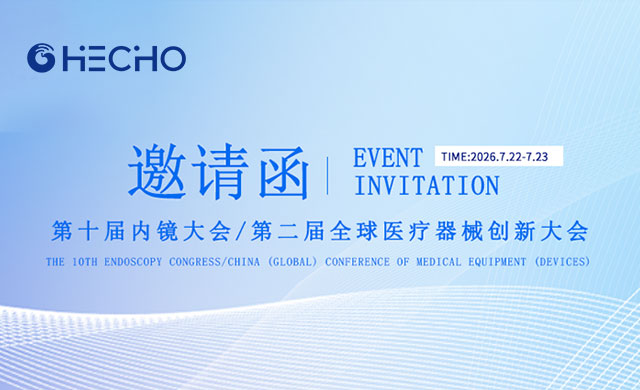
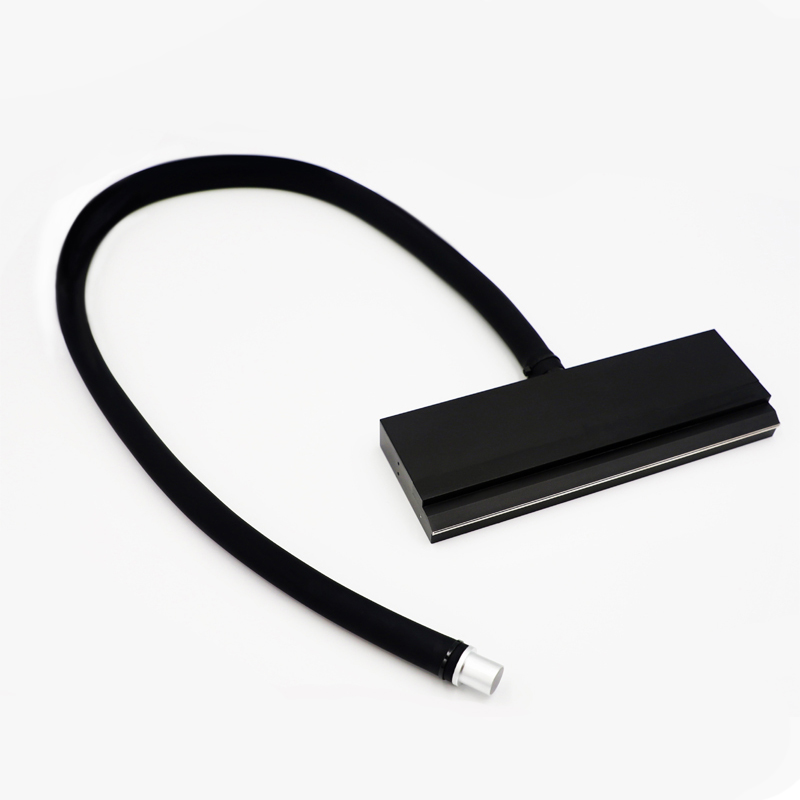
Nanjing Hecho Technology Co., Ltd. will participate in the 10th China Endoscopy Conference (CCME 2026), to be held on July 22–23, 2026, at the Nanjing Yangtze River International Conference Center. The company will be located at Booth A019. CCME is one of the larger professional academic and industry events in China‘s endoscopy sector, now in its tenth year. The conference covers rigid endoscope and flexible endoscope system design, optical performance quality control, minimally invasive surgical accessories, medical device contract manufacturing, and industry regulatory standards. Attendees include clinicians, medical device manufacturers, contract service providers, and testing institution representatives. Hecho Technology will feature three core products at the exhibition: Medical Laser Fiber, Reusable Endoscope Light Guide, and Single-Use Endoscope Plastic Optical Fiber. These products address three key areas currently in demand in endoscopic clinical applications — laser energy transmission, endoscopic illumination, and single-use sterile scenarios. The Medical Laser Fiber is one of the company‘s products that recently received Class II medical device registration certification in China. It can be applied in laser lithotripsy, ablation, aesthetic procedures, and imaging — and is now available for batch delivery. The Reusable Endoscope Light Guide, as a core component of endoscopic illumination, offers wide-angle, uniform, high-color-rendering lighting suitable for various endoscope system integrations. The Single-Use Endoscope Plastic Optical Fiber features low cost and high light transmission, with single-use design eliminating cross-infection risks at the source. A company representative noted that this exhibition marks the first time Hecho is presenting its medical fiber product line at a professional endoscopy industry event since receiving its medical device registration certification. The company hopes that face-to-face conversations at the booth will provide direct insight into the real-world needs of clinicians and equipment manufacturers, while also gathering feedback for future product iteration and customization services. Hecho‘s technical team will be at Booth A019 throughout the event for product demonstrations and on-site consultations. Customers or partners interested in scheduling an advance discussion may contact the company via the official WeChat account “南京鸿照科技” or by email at sales@gohecho.cn. About Nanjing Hecho Technology Co., Ltd. Founded in 2005, Nanjing Hecho Technology Co., Ltd. is a leading provider of specialty optical fiber transmission solutions in China. The company‘s product portfolio includes plastic optical fibers, glass fibers, quartz fibers, fiber bundles, light guides, and sensors, widely used in industrial automation, medical devices, and scientific research optics. Hecho offers full delivery capabilities ranging from standard products to custom non-standard solutions. For more information, visit: www.gohecho.cn Media Contact: Tel: 025-52374096Email: sales@gohecho.cn
Read More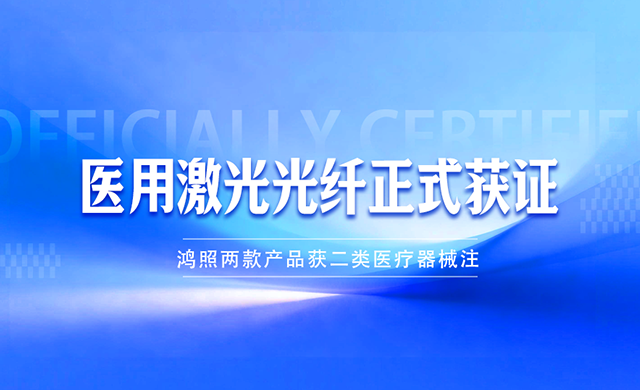
NANJING, China, June 23, 2026 — Nanjing Hecho Technology Co., Ltd. today announced that its independently developed "Medical Laser Fiber" and "Single-Use Sterile Laser Fiber" have received Class II medical device registration certificates from the Jiangsu Provincial Drug Administration. The registrations mark the company‘s official entry into the ranks of compliant suppliers of medical laser fibers in China, representing a substantive step forward in Hecho’s strategic expansion into the medical device sector. A Hard-Earned Certification Obtaining a Class II medical device registration certificate is a lengthy and rigorous process. Under China‘s Regulations on the Supervision and Administration of Medical Devices, no Class II medical device may be manufactured, sold, or used without a registration certificate. The approval process itself encompasses dozens of stages—including product technical requirements development, registration testing, biological evaluation, shelf-life validation, and sterilization process research—each governed by explicit national standards and subject to review by authoritative bodies. This demands that a company possess integrated capabilities across materials science, optics, microbiology, and quality management. A shortfall in any single area can result in the registration application being returned or rejected. Hecho initiated its medical fiber product registration work in 2021. Over the course of nearly five years, the company completed product development, quality system establishment, registration testing, clinical evaluation (where applicable), and regulatory response submissions, ultimately securing two registration certificates in 2026. This achievement is not the result of a sudden breakthrough, but of sustained investment, repeated refinement, and the successful navigation of multiple regulatory hurdles. What This Means for the Company The two registrations represent a pivotal moment in Hecho‘s transition from an industrial optical component supplier to a compliant medical device manufacturer. Prior to this, the company had深耕 the specialty optical fiber sector for nearly two decades, building a strong technical foundation and customer reputation in industrial automation and scientific research optics. However, the medical field imposes a higher barrier to entry—technical competence alone is a prerequisite; regulatory compliance is the ticket to entry. That ticket has now been secured. The company is formally qualified to manufacture and commercially distribute medical laser fibers in compliance with regulations, enabling batch production, participation in hospital tenders, and compliant supply to distributors and equipment manufacturers. This marks a transition from “capable of making” to “authorized to sell.” The market opportunity for the company‘s products now formally extends from industrial and research applications into the medical and healthcare sector—a market of significantly greater scale with higher barriers to entry. What This Means for Customers For purchasers in the medical device industry, a supplier’s regulatory certification is the primary consideration in any procurement decision. The registrations send three clear signals to customers: Compliant procurement is now possible. In hospital tenders, distributor product selection, and equipment配套 procurement, registration certificates are a hard requirement for qualification review. Hecho is now officially on the compliant supplier list—customers can legally and compliantly source and use Hecho‘s products. Reliable supply is guaranteed. Registration approval means the products have reached a mature production stage. They are no longer laboratory samples or trial products. The company has the capacity for consistent, volume production and delivers finished products that have undergone complete registration testing. Product quality is endorsed. The safety and efficacy of the products have been validated through the rigorous review of the Jiangsu Provincial Drug Administration. This is not a self-declaration by the company, but an official, authoritative endorsement. In short: customers can select with confidence and use with compliance. About the Products Both approved products fall under the medical laser fiber category, used to connect laser therapy devices and deliver laser energy to human tissue. They are commonly used instruments in laser surgeries across urology, dermatology, and otolaryngology. The "Medical Laser Fiber" is a standard-configuration product suitable for a variety of laser surgery scenarios. The "Single-Use Sterile Laser Fiber" features sterile packaging, eliminating the need for on-site sterilization before clinical use—ready to use straight out of the package, effectively reducing the risk of cross-infection and meeting clinical demands for greater convenience and safety. With the approval of both products, Hecho can now offer differentiated options for different clinical scenarios, establishing an initial product portfolio in the medical laser fiber segment. Looking Ahead The two registration certificates are a milestone—and a starting point. Hecho will continue to advance the R&D and iteration of its medical laser fiber product series, while accelerating registration applications for new products such as single-use endoscopic fibers. The company‘s commitment to the medical sector will not stop here. From industrial to medical applications, from R&D to regulatory approval, from products to comprehensive solutions—Hecho is dedicated to becoming a trusted optical transmission solutions provider in clinical settings, enabling light to create greater value in healthcare. About Nanjing Hecho Technology Co., Ltd. Founded in 2005, Nanjing Hecho Technology Co., Ltd. is a leading provider of specialty optical fiber transmission solutions in China. The company‘s product portfolio includes plastic optical fibers, glass fibers, quartz fibers, fiber bundles, light guides, cold light sources, and sensors, widely used in industrial automation, medical devices, and scientific research optics. Hecho offers full delivery capabilities ranging from standard products to custom non-standard solutions. For more information, visit: www.gohecho.cn Media Contact: Tel: 025-52374096Email: sales@gohecho.cn
Read More
NANJING, China – June 19, 2026 – Nanjing Hecho Technology Co., Ltd., a leading specialty optical fiber transmission solutions provider, celebrated the Dragon Boat Festival with a team appreciation event at its Nanjing headquarters on June 19. The company prepared a special holiday gift package for every employee, including traditional zongzi (sticky rice dumplings wrapped in bamboo leaves), seasonal fruits, and a selection of other festive treats. The gifts were presented during a short team gathering before the holiday break, where colleagues shared a relaxed moment together. “We wanted to express our gratitude to every team member for their hard work and dedication over the past year,” said a representative from Nanjing Hecho Technology. “The Dragon Boat Festival is a time for family and tradition, and we hope this small gesture makes our employees feel valued and appreciated.” The Dragon Boat Festival, one of China‘s oldest traditional holidays, falls on the fifth day of the fifth lunar month each year. It commemorates the ancient poet and statesman Qu Yuan through customs such as dragon boat racing and eating zongzi. Established in 2005, Nanjing Hecho Technology specializes in OEM and custom fiber optic assemblies for industrial automation, medical instrumentation, and optical sensing applications. With a focus on quartz and glass fiber solutions, the company serves clients across more than ten countries worldwide. Nanjing Hecho Technology will resume normal operations following the holiday. Customers with urgent technical inquiries are encouraged to contact the company via email at [email address]. About Nanjing Hecho Technology Co., Ltd. Nanjing Hecho Technology Co., Ltd. is a leading specialty optical fiber transmission solutions provider based in Nanjing, China. Founded in 2005, the company offers a complete portfolio of OEM and custom fiber optic assemblies, including plastic optical fibers, glass fibers, quartz fibers, fiber bundles, light guides, and sensors for industrial, medical, and scientific applications worldwide. For more information, visit www.gohecho.com.
Read More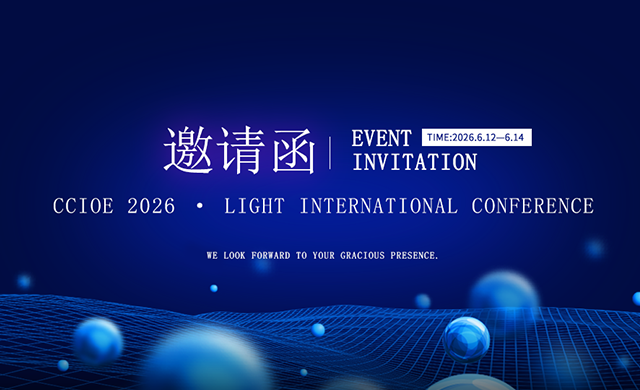
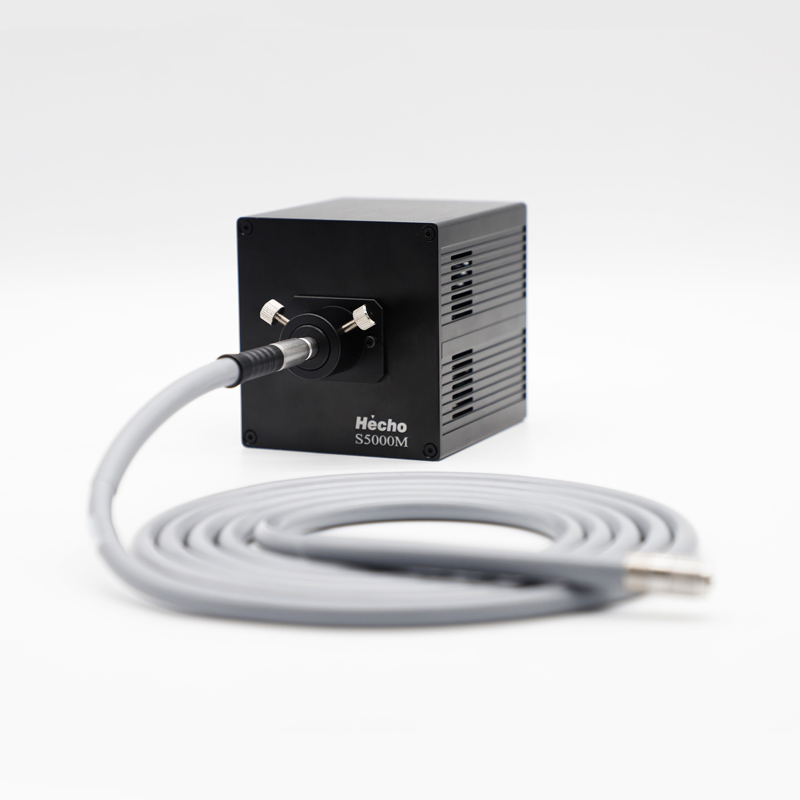
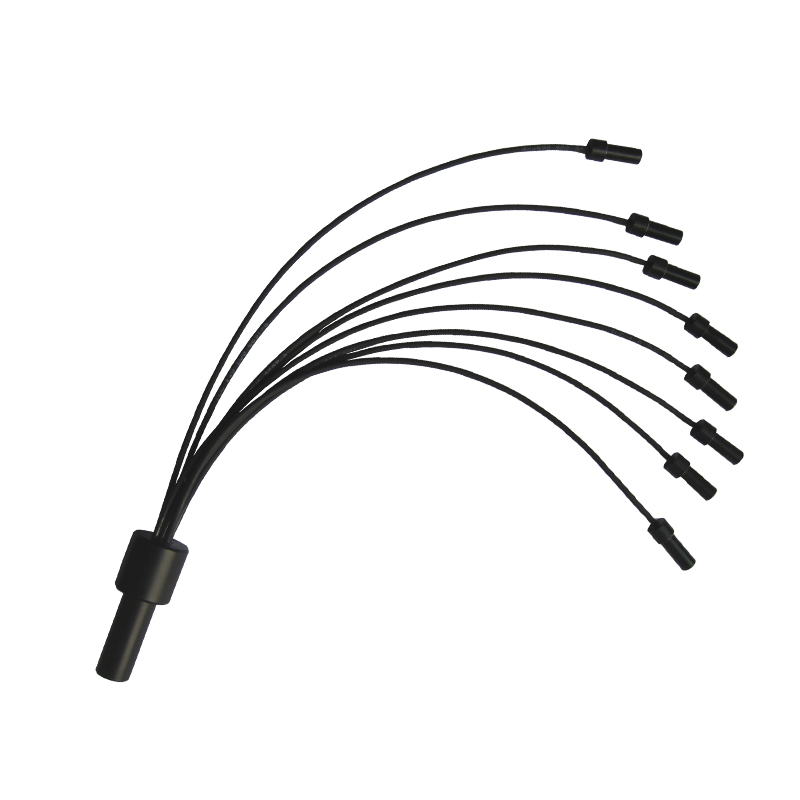
We are pleased to confirm our participation in the 3rd Changchun International Optoelectronic Expo, which also hosts the Light Conference and the Chinese Optical Society Changchun Annual Conference. The event runs from June 12 to 14, 2026 at the Northeast Asia International Expo Center in Changchun. You will find us at Booth A1-D47 / A1-D48. What we do Nanjing Hongzhao Technology focuses on optical transmission solutions. We design and manufacture specialty optical fibers, cold light sources, fiber bundles, and medical laser fibers. Our products serve four main areas: medical endoscopy, industrial inspection, laser medicine, and scientific research optoelectronics. What we are bringing to Changchun At the booth, we will showcase a selection of our current products: LDI optical fiber cables and fiber bundles – for laser direct imaging applications, including custom fiber bundles Quartz light guides – available in single‑branch, multi‑branch, flexible, and heat‑resistant designs Cold light sources (S3000D / S5000D series) – both LED and halogen versions Holmium laser fibers – 200 µm, 365 µm, 550 µm, for lithotripsy and laser surgery Disposable endoscope plastic optical fibers – PMMA fibers for single‑use scopes Medical illumination fibers – for surgical lights and endoscopic lighting Fiber optic sensors – flame detection bundles, liquid level sensors, threaded connect sensors, heat‑resistant types fNIRS and near‑infrared optical fibers – used in brain imaging, qPCR, and NIR spectroscopy Why visit our booth Not every project works with off‑the‑shelf fiber optic cables. We do OEM and custom work – quartz, silica, glass, or plastic fibers. Short production runs, unusual lengths, non‑standard connectors – we have handled a fair share of them. If you work with light transmission, fiber durability, or matching a fiber to a specific laser or sensor, we would like to hear about your requirements. No formal pitch, just a conversation. Practical information 📅 Dates: June 12–14, 2026📍 Venue: Northeast Asia International Expo Center, Changchun🔢 Booth: A1-D47 / A1-D48 We look forward to meeting you in Changchun. – The Hongzhao team
Read More
Recently, the application of deep learning in the field of optical design has attracted much attention. As photonic structure design becomes the core of optoelectronic devices and systems design, deep learning brings new opportunities and challenges to this field. The traditional photonic structure design method is usually based on the simplified physical analytical model and relevant experience. Although this method can obtain the desired optical response, it is inefficient and may miss the best design parameters. Through data-driven thought modeling, deep learning learns the rules and features of research objectives from a large amount of data, which provides a new direction for solving the problems faced by photonics structure design. For example, deep learning can be used to predict and optimize the performance of photonic structures, enabling a more efficient and precise design. In the field of photonics structure design, deep learning has been applied in many aspects. On the one hand, deep learning can help design complex photonic structures, such as superstructured materials, photonic crystals, and isoionite nanostructures, to meet the needs of high-speed optical communication, high sensitivity sensing, and efficient energy collection and conversion. On the other hand, deep learning can also be used to optimize the performance of optical components, such as lenses, mirrors, to achieve better imaging quality and higher optical efficiency. In addition, the application of deep learning in optical design has also driven the development of other related technologies. For example, deep learning can be used to implement intelligent optical imaging systems to suit the different imaging requirements by automatically adjusting the parameters of the optical components. At the same time, deep learning can also be used to realize efficient optical computing and information processing, which provides new ideas and methods for the development of optical computing and information processing fields. In conclusion, the application of deep learning in the field of optical design provides new opportunities and challenges for the innovation of photonic structure. In the future, with the continuous development and improvement of deep learning technology, it believe it will play a more important role in the field of optical design.
Read More
Optical fiber was originally developed for communication purposes. However, in the process of optical fiber development, optical fiber with special functions, various varieties and different specifications is developed intentionally or unintentionally. At the same time, it is also found that optical fiber can be applied not only to communication, but also to lighting, medical, electric power, sensing and other fields. These are not in the conventional fiber of optical fiber —— special optical fiber, such as ultraviolet fiber, infrared fiber, high temperature resistant fiber, irradiation fiber, optical fiber, holmium laser fiber, partial fiber, circular fiber, optical fiber, optical fiber, plastic fiber, plastic fiber, etc., in communications, sensing, medical, aerospace, material processing, power, petrochemical and military fields plays an important role, derived from the industrial chain developing rapidly. The industrial chain of special optical fiber contains huge business opportunities, and the relevant institutions have defined their own cognition of special optical fiber. The special fiber search is defined as follows. Baidu "Science China": special optical fiber is used at a specific wavelength, made by special materials and has special functions. Special optical fiber is an optical fiber designed and manufactured used at a specific wavelength to realize a special function. Co-research network: the general term for all kinds of optical fibers with special functions except for the conventional communication optical fiber. Guosheng Communication team: Special optical fiber can be defined as the optical fiber that does not meet the standard of single-mode and multimode communication optical fiber. China wire and cable network: in a narrow sense, special optical fiber is a special purpose optical fiber different from the special performance and use of international communication standard optical fiber; in a broad sense, including special optical fiber, special optical fiber and even components belong to the category of special optical fiber (product). Domestic large companies: Special optical fiber includes active optical fiber, energy transmission optical fiber, bias protection optical fiber, doped optical fiber, anti-radiation optical fiber, high temperature resistant optical fiber, anti-rotating optical fiber, bending optical fiber and so on. Domestic small companies : glass fiber, quartz fiber (except communication fiber), infrared fiber, ultraviolet fiber, fluorescent fiber, plastic fiber, liquid core fiber, atmosphere lamp fiber, etc. RP Photonics Encyclopedia (RP Encyclopedia of Photonics): Specialty Fibers : optical fibers with special designs or materials . Special optical fiber: optical fiber with special design or made using special materials. Dr. Rudiger Paschotta is the author of the famous RP Encyclopedia of photonics and enjoys an international reputation in laser and amplifiers, nonlinear optics, fiber technology, ultrashort pulses and optical noise. HECHO agrees with Dr. Rudiger Paschotta's definition of special fiber, which is concise and accurate, and can cover the above definition of various special fiber. Special optical fiber has played a key role in many application fields, and the differences between the fields are large, so it is more appropriate to involve a specific field, or to use the fair terms in the field to name this variety of optical fiber.
Read More
Optical fiber, optical fiber (optical fiber) short, is very familiar with a hot word. In 1966, Charles Kao, the "father of optical fiber", published a historic paper, theoretically stating that optical fiber losses could be reduced to 20dB / km and used in communications. In 1970, the American Corning (Corning) company developed the loss of 20dB / km quartz optical fiber, and the era of optical fiber communication was officially opened. In 1973, Bell Laboratories built the world's first optical fiber optic communication system. Three years later, the world's first practical fiber-optic communication line was established between Atlanta and Washington. Since then, optical fiber communication technology has developed at an explosive speed, undergoing five generations of evolution in more than 30 years. So, what is an optical fiber optic? We have excerpted the definition of optical fiber given by some authorities (departments). 1. Encyclopedia (Encyclopedia), citing McGraw-Hill Dictionary of Scientific & Technical Terms (McGraw-Hill Dictionary of Technical Terminology) A long, thin thread of fused silica, or other transparent substance, used to transmit light.Also known as light guide. A slender line made of molten silica or other transparent substance for transmitting light, also known as light guide. Wikipedia Encyclopedia (Wikipedia) An optical fiber (or fibre in British English ) is a flexible, transparent fiber made by drawing glass (silica ) or plastic to a diameter slightly thicker than that of a human hair . Optical fiber is a flexible, transparent fiber made of glass (silica) or plastic, with a diameter slightly thicker than a human hair. 3. The American Heritage® Dictionary of the English Language, Fifth Edition (American Traditional English Dictionary) A flexible transparent fiber of extremely pure glass or plastic, generally between 10 and 200 microns in diameter, through which light can be transmitted by successive internal reflections, commonly used in telecommunications. A flexible transparent fiber composed of ultrapure glass or plastic, usually with a diameter between 10-200 μ m, within which light can propagate by continuous reflection and is usually used for communication. 4. RP Photonics Encyclopedia (RP Encyclopedia of Photonics) A kind of long and thin optical waveguides which can be bent to some degree. An elongated optical waveguide that can be bent to some extent. 5. Baidu Encyclopedia (entry compilation and application of "Science Popularization China") Optical fiber is a sketch of optical fiber, which is a fiber made of glass or plastic, which can be used as a light conduction tool. The principle of transmission is, "the total reflection of light". Nanjing HECHO company believes that optical fiber is a slender fiber that can transmit information and energy. Optical fiber materials can be glass, plastic, etc. Because some optical fibers are opaque, and some optical fibers are not flexible. Baidu encyclopedia lists a lot of optical fiber name: single mode optical fiber, multimode optical fiber, quartz fiber, fluoride optical fiber, infrared fiber, composite fiber, fluoride fiber, plastic fiber, plastic optical fiber, dispersion displacement fiber, dispersion flat optical fiber, dispersion compensation optical fiber, polarization fiber, birefringent optical fiber, optical fiber resistance environment, sealing coating fiber, carbon coating optical fiber, metal coating fiber, rare earth fiber, laman fiber, eccentric fiber, luminous fiber, fiber core optical fiber, hollow optical fiber, polymer optical fiber, and so on. There are many kinds of optical fiber, different functions and various names, how to classify optical fiber? ITU-T (International Telecommunication Union) divides communications optical fiber into seven categories: G651-G657. Optical fiber used for communication, also known as standard optical fiber, conventional optical fiber. If simply the optical fiber is divided into communication fiber and non-communication fiber, it is very unscientific and will cause the confusion of optical fiber classification. "Communication" in "communication" is transmission and exchange; "letter" is information (voice, image, data). Communication is the transmission and exchange of information, which is transmitted from one party to the other in the form of electrical signals or optical signals. The glass optical fiber on the market obviously does not belong to the communication optical fiber delineated by ITU-T, but the PCR instrument uses optical fiber, microplate meter optical fiber, power optical cable, flame detection optical fiber, circuit board defect detection optical fiber and other products, using the communication function of glass optical fiber, is a short distance "communication optical fiber". Optical fiber for sensing and detection, because to transmit information and decoding information, belong to short distance "communication optical fiber", and optical transmission (lighting), energy transmission (laser cutting, laser surgery, laser lithotripsy, laser acupuncture, photodynamic therapy, etc.) optical energy transmission path, without decoding information, belongs to "non-communication optical fiber". In addition, the term "communication fiber optic" is inappropriate."Modern Chinese Dictionary" the 7th edition: "communication" for communication ② (using radio waves, light waves and other signals to transmit text, images, etc. According to the different signal mode, can be divided into analog communication and digital communication) of the old name. Therefore, "communication optical fiber" is the current standard word. There is also "optical fiber for transmission" is not rigorous, because a single optical fiber generally can not be transmitted. A number of optical fiber is arranged regularly, made into optical fiber transmission beam can realize the transmission function. In the National Bureau of Statistics, optical fiber has three categories: single mode optical fiber (code 3910010100), multimode optical fiber (code 3910010200) and special optical fiber (code 3910010300). "Statistics with product classification directory" is the whole social economic activities of product standard classification and unified coding, it is applicable to all the product object statistical survey activities, can meet the national economic accounting, industry, agricultural product output statistics and production price statistics, and other statistical survey demand for product classification, for the census, special investigation and conventional statistical survey provide product catalog and framework. Therefore, Nanjing HECHO Company believes that it is reasonable to divide optical fiber into conventional fiber (communication fiber) and special fiber. In addition to ITU-T G651-G657, the rest of the optical fiber belongs to special fiber, which is also conducive to the national statistics and accounting of domestic enterprises. The original works of Nanjing HECHO Technology Co., Ltd., the copyright belongs to Nanjing HECHO Company, welcome to extract selection, excerpt selection must be marked from the "Nanjing HECHO Technology Co., Ltd. website".
Read More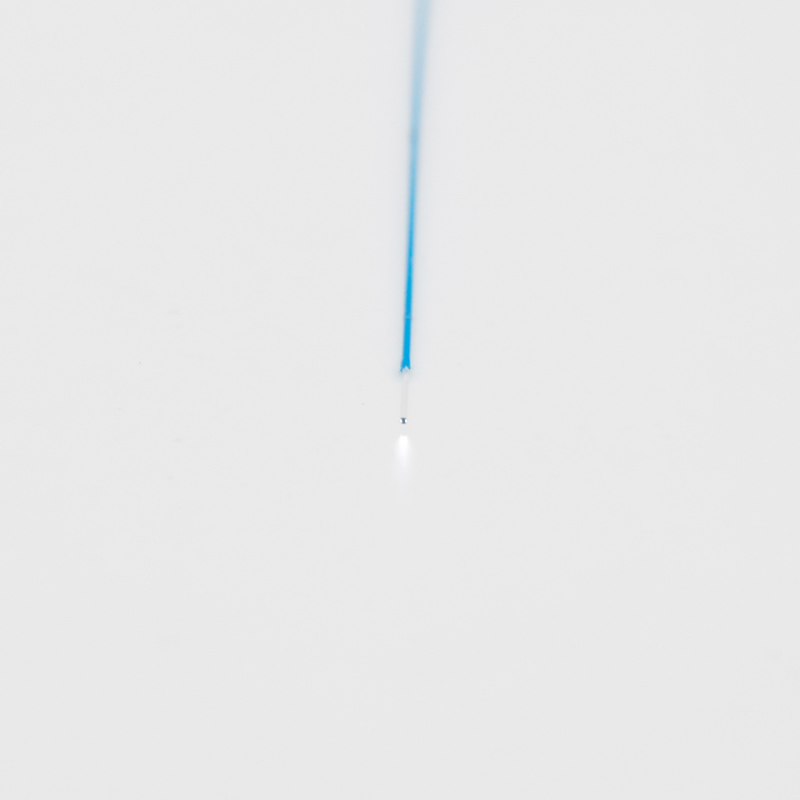
Holmium laser is a pulsed laser with a wavelength of 2.1 μ m, which has strong safety and wide applicability compared with the commonly used extracorporeal shock wave lithotripsy and pneumatic ballistic lithotripsy. In the process of lithotripsy, stones rarely run, and the return rate is very low, so the efficiency is greatly improved. It can be directly crushed through cystoscopy, ureteroscopy and percutaneous nephroscopy, without causing tissue damage. And the holmium laser fiber is flexible, so it can effectively treat the ureteric stones and kidney stones in any site. The study shows that the single success rate of endoscopic holmium laser lithotripsy is more than 95%, and the treatment of bladder stones can reach 100%. The procedure is non-invasive or minimally invasive, and the patient is basically painless. There is no risk of perforation, bleeding, but also the combined treatment of urinary tract tumor, ureteral polyps, stricture and so on. What is the procedure of holmium laser lithotripsy? The specific process is soft ureteroscopic holmium laser lithotripsy is to use a fiber optic lens with about 3mm in diameter, inserted into the ureter through the urethra and bladder to the renal pelvis and calyx. Holmium laser fiber is used to remove and drain the upper ureteral stones and kidney stones. The use of human natural urinary tract, without making any incision in the body, is a pure urology cavity minimally invasive technique, so it is favored by patients. What are the advantages of holmium laser lithotripsy? 1. Precision and efficiency. The target, energy and action time of holmium laser pulse are accurately positioned and quantified by computer, which can be solved once in a relatively short time. The whole process of accurate control, physician intuitive image surgery, safe and efficient. 2. Less trauma and safe. Holmium laser only acts on stones and does not have a thermal effect on the surrounding tissues, so in the process of lithotripsy, it will not cause any loss to the surrounding tissues, and there is no risk of perforation, bleeding and some complications caused by traditional surgery. 3. Fast speed and short treatment time. This laser has a strong adsorption of water, so that the laser energy is concentrated in the surface layer, has a good cutting ability and tissue resection ability, so that the gravel particles more fine, powder, so the stone time of the gravel is significantly shortened. 4. Less complications and more money. After the successful treatment of urocalculi with holmium laser, the patients had no sequelae, few complications, completely avoided many complications of traditional surgery, caused the disadvantages of secondary injury to the body tissue, greatly shortened the treatment time of patients, and reduced the cost accordingly.
Read More
Self-focusing and other self-acting phenomena have been studied for decades, and many potential applications are emerging: for the design of optical power limiters and optical switches; femtosecond self-focusing observes collimated, coherent white continuous light passing through an atmosphere of over 100 kilometers, enabling potential applications of remote sensing. However, the self-focusing effect also limits the transmission power of the optical medium; reduces the threshold of nonlinear optical process; and even causes optical material damage, which is the limiting factor in the design of high-power laser system. The self-focusing phenomenon is a nonlinear optical process caused by the refractive index change of a solid, gas, and liquid media exposed to strong electromagnetic radiation. Its refractive index will change accordingly with the light intensity. When the intensity of the beam is Gaussian in the cross section, and the intensity is strong enough to produce a nonlinear effect, the lateral refractive index of the material will also show a bell shape. This change in refractive index allows the material to act like a converging lens. This effect continues until the beam reaches a thin filament limit. The physical mechanism of this phenomenon is mainly based on the nonlinear Kerr effect, and the nonlinear Kerr effect with positive χ (3) makes the light intensity on the optical axis strong, resulting in a high refractive index in the middle of the beam, resulting in the focusing effect. If n2> 0: self-focusing if n2 <0: self-defocusing where n0 is the linear refractive index, n2 is the optical constant characterizing the optical nonlinear intensity, and I is the Gaussian intensity. A self-focusing phenomenon may occur if a beam with an uneven transverse intensity distribution (e. g., a Gaussian profile) travels through a material with a positive n2. Optical wave field aggregation in nonlinear media whose refractive index n depends on the field strength. If a strong beam passes through a medium with this nonlinearity, the refractive index n of the medium increases with the electroscaling or heating electron polarization of matter due to the high frequency Kerr effect (Kerr). Increasing n causes nonlinear refraction in the medium: light deflect in the direction of larger field strengths. When the power of the beam exceeds a certain threshold, the nonlinear refraction suppresses the diffraction broadening of the beam, thereby reducing or completely eliminating the beam divergence, and focal points appear in the medium. As power increases, the number of foci also increases, and the focus moves at speeds close to the speed of light. In the self-focusing of the light, the field focusing is much stronger than in the ordinary focusing passing through the lens. Self-focusing of light can lead to electrical breakdown, for example by the scattering of the laser. Under some conditions, the number of foci may become so large that light will propagate in an oscillatory electric waveguide that the beam itself forms in a nonlinear medium. For beams of a specific cross section with critical power, the cross section remains constant. Through this waveguide, the light energy can be transmitted over long distances.This phenomenon is also present in a moving medium, such as in the convective or scanning beam of a liquid and gas, where the beam deflects from its initial direction. The deflection angle depends on the beam power and the transverse velocity of the medium. The inverse phenomenon is called defocus. This effect occurs in media where the refractive index decreases with increasing intensity. Thermal defocusing is relatively common due to a reduced refractive index due to the expansion of matter when heated by light. We have observed self-focusing and defocusing. The consequences of self-focusing: As the decrease of the beam radius further increases the intensity of the Kerr lens, it may lead to the complete collapse of the beam: as the beam radius decreases, the optical intensity gradually increases, thus further improving the self-focusing effect. This mechanism would result in a higher optical strength, which can easily destroy the optical medium. When the optical power is higher than the critical power, it is out of control. Self-focusing effect limits the transmission power of optical medium; reduces the threshold of nonlinear optical process; and even causes optical material damage, which is the limiting factor in the design of high-power laser system. The role of the critical energy for self-focusing: the critical power does not depend on the original beam area. If a larger diameter beam produces a weaker Kerr lens phenomenon, but it is also more sensitive to the lens. The initially larger beam requires a longer propagation distance (given light focus) until it disappears. We focus on the silica fiber, and the self-focusing limit of the peak power is about 4 MW (1 μ m wavelength). Self-focused optical fiber is a slender medium that can guide the propagation of light waves in. The structure and refractive index design of optical fiber form its own waveguide. Under general power, optical fiber can perfectly transmit signal or energy from one end to the other; when the energy is relatively high and the core diameter is relatively small, the phenomenon of self-focused may occur. Self-focusing will reduce the original effective mode diameter. Whether there is a critical power for reaching the self-focusing. We examine the critical power of the quartz glass. One of the most mature optical fiber optic materials of quartz glass, the nonlinear index is assumed to be 2.210-20 m2 / W. The numerical calculation of the relationship between the mode field area and the optical power is like this graph representation, and the red line is the critical power point, reaching 5MW. If the incident power is well above the critical threshold of self-focusing, a plasma channel may occur with self-focusing. The light pulse can maintain an almost constant diameter transmission for a long distance. This is the dynamic balance between the self-focus and the plasmonic defocus effect. Where the beam decomposes into several beams with small light intensity. The resulting beam direction can be random, though often with a fairly regular structure. This phenomenon has certain application value in remote sensing, remote detection of air pollutants, laser lightning induction, pulse compression, lightning control, and artificial rain and snow and other fields.
Read More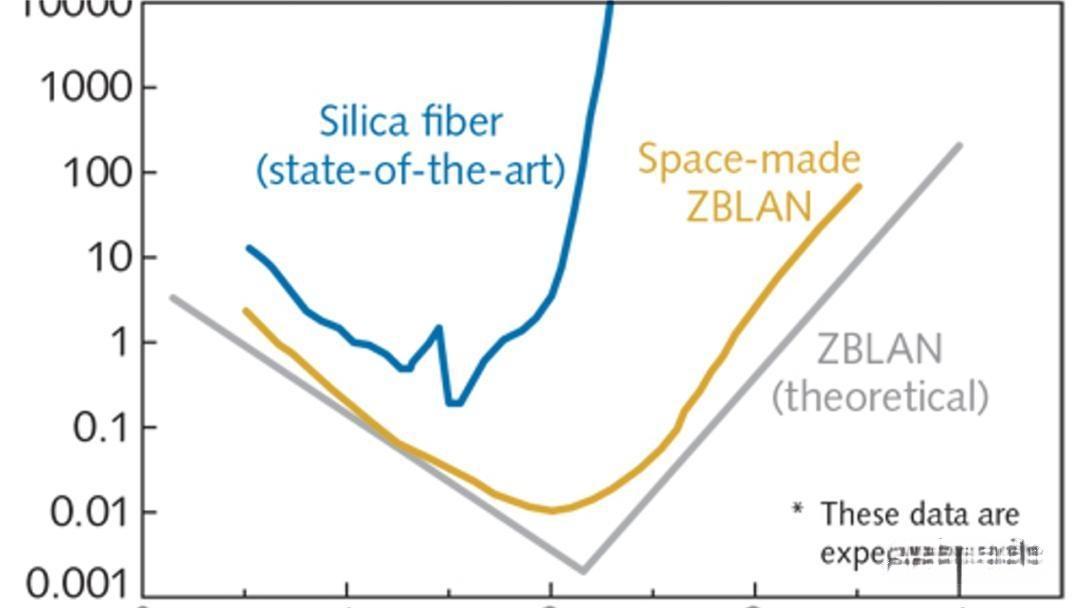
The long and short band spectra of quartz glass (SiO2) are limited by two factors: if too close to the ultraviolet light, it will be absorbed by the bound electrons; the infrared light will be absorbed by the vibrational mode of the Si-O network. Finding a glass with a very good light transmittance was a very popular research direction in the 1980s. To transmit information to optical networks over longer distances. The attenuation of quartz glass fiber reaches a low wavelength of 1.55 μ m (mature products can reach 0.16dB / km, and now there is still a record of 0.12dB / km). According to this data, 80 km to maintain about 20% of the energy transmission. A V-shaped attenuation curve (yellow quartz glass curve and red fluoride ZBLAN glass fiber) shows the exact value of light loss and wavelength. Attenuation curve and wavelength relationship of silica glass fiber and fluoride glass fiber An alternative to quartz fiberglass is, ZrF4 based on fluoride glass. In the region of the UV spectrum, the light conduction situation is similar, but in the infrared region, it is quite different. The vibration mode (vibration mode) of Zr-F is much lower than that of Si-O, as can be seen from this V-shaped diagram, the ZBLAN glass has a deeper (lower decay) curve, corresponding to a minimum loss about 100 times lower than that of Si-O. The lowest attenuation region occurs at a longer wavelength (λ = 2.5 μ m). If successful, it means that fiber communication without repeater may exceed hundreds of kilometers. However, this is theoretical data, and in practice, this goal is not achieved because impurities such as transition metals (transition metals, even with ppb content) and-OH cannot be completely avoided. On the other hand, the optically transparent properties of the fluoride glass are still present. It seems that the real difficulty is the purification scheme. Quartz glass and the ZBLAN glass prepared in space The complex composition of 60ZrF4,20BaF2,4LaF3,6AlF3 and 10NaF (the acronym of ZBLAN) has the most stable state (not easy to crystallization), suitable for fiber stretching (the so-called soft glass is afraid of crystallization in the process of drawing). The polyhedra forming glass are ZrF7, AlF6 and LaF8, while Ba2 + and Na + act as modiagents. This glass contains rare earths (RE) as a natural component (natural constituent), which enables the rapid development of optical amplifiers or fiber lasers because ZBLAN materials are easier to doping various types of rare earths and have more usable wavelengths (more emission lines than silica glass) than quartz glass. In the development of ZBLAN, at the same period, chemical vapor deposition process (CVD) was invented, is still in use, this technology to quartz fiber development has made great progress, industrial also reached the final optical and mechanical properties.
Read More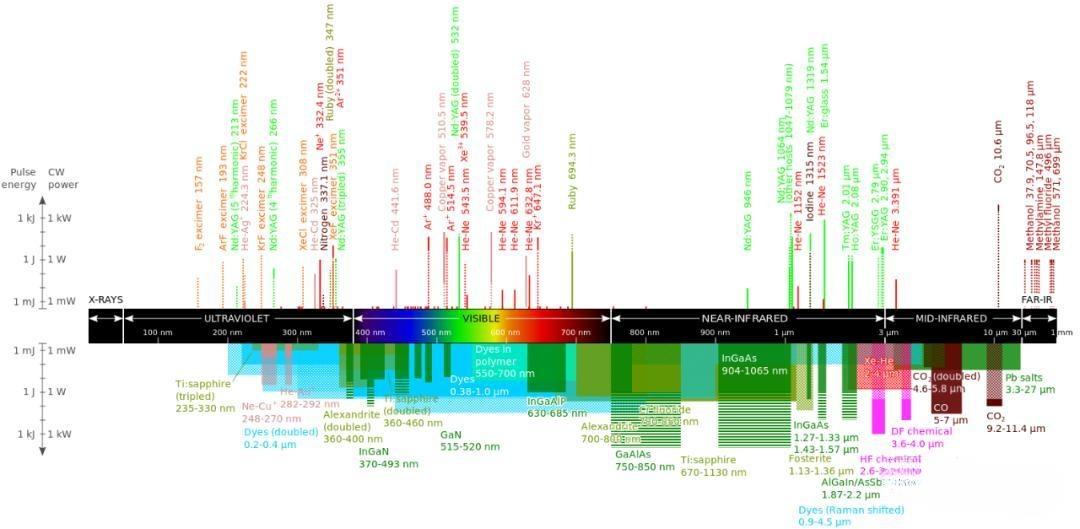
The wavelength of the laser is directly related to the classification of the laser. First, look at the wavelength of the laser: Different laser types are shown above the wavelength bars and laser light that can be emitted in the wavelength range below. The height of the line represents the commercially available maximum power / pulse energy, while the color encodes the type of laser material). Most of the data comes from Weber's Laser Length Manual, Weber's book Handbook of laser wavelengths.There are many methods of laser classification, which can be divided into several types: solid, gas, liquid, semiconductor, dye and optical fiber: Solid-state laser (Solid state laser) is generally small and strong, with high pulse radiation power and a wide range of applications. Like: Nd: YAG laser. Nd (neodymium) is a rare earth element, YAG represents yttrium aluminum garnet, crystal structure similar to ruby. And Tm: YAG, Ho: YAG, Ho: YAG and so on. Semiconductor laser (Semiconductor laser) is small in size, light in weight, long in life and simple in structure, especially suitable for use in aircraft, warships, vehicles and spaceships.Semiconductor laser can change the wavelength of laser through the external electric field, magnetic field, temperature and pressure, and can directly convert electric energy into laser energy, so it develops rapidly.A gas laser (Gas laser) is a laser in which the gas releases a current current to produce coherent light. Monochromy property and coherence are good, laser wavelength can reach thousands of kinds, widely used. The gas laser is simple in structure, low in cost and easy to operate. It is widely used in industry and agriculture, medicine, precision measurement, holographic technology and other aspects. Gas laser has electric energy, heat energy, chemical energy, light energy, nuclear energy and other excitation methods. The dye laser (Dye laser), a working substance, was introduced in 1966 and is widely used in various scientific research fields. About 500 dyes have now been found that can produce lasers. These dyes can be soluble in alcohol, benzene, acetone, water, or other solutions. They can also be contained in organic plastic in solid or sublimated to steam in gaseous form. So a dye laser is also called a "liquid laser". The prominent feature of the dye laser is the wavelength continuous tunability. Fuel lasers are diverse, inexpensive and efficient, with output power comparable to gas and solid lasers for spectroscopy, photochemistry, medical and agriculture.Chemical lasers (Chemical Laser) Some chemical reactions produce enough energetic atoms to release large amounts of energy that can be used to produce laser action. This is mainly for weapons applications. Hydrogen fluoride lasers, for example, can provide continuous output power in the megawatt range. Free electron lasers (Free electron laser) These lasers are more suitable than other types of radiation with high power. Its working mechanism is different, it obtains tens of millions of volt of high-energy adjustment electron beam from the accelerator, through the periodic magnetic field, forming the energy levels of different energy states, producing stimulated radiation.Qucimer laser (Excimer laser, in fact, also belongs to one of the gas laser) is a kind of ultraviolet gas laser, in the excited state of the noble gas and another gas (inert gas or halogen) combined mixed gas molecules, the laser generated by the transition, called excimer laser.excimer laser belongs to low energy laser with no thermal effect. It is a pulse laser with strong direction, high wavelength purity and high output power. The photon energy wavelength range is 157-353 nm, and the pulse time is tens of nanoseconds, which belongs to ultraviolet light. The most common wavelengths are 157 nm, 193 nm, 248 nm, 308 nm, and 351 – 353 nm.The optical fiber laser (Fiber laser) uses the gain medium (rare earth elements) in the optical fiber to provide the amplification of the optical signal. Fiber lasers come in single-end pump and two-end pump, the latter can achieve higher output power. Coherent synthesis technology, also under development can further expand the output power.From the continuity, there are continuous laser (Continuous laser) and pulsed laser (Pulsed laser and Ultrashort pulsed laser), pulsed laser: nanosecond (10e-6Seconds), picosecond (10e-9Seconds), and the femtosecond (10e-12Seconds) or even in seconds (10e-15Seconds) laser.Continuous laser, longer pulse laser and ultra-short pulse laser, also acting on the target surface, the thermal effect vary greatly. There are many other types of lasers, including the Raman laser (Raman laser), the metal steam laser (Metal-vapor lasers), and so on. There will also be many niche technologies for different applications. As the foundation of industry 4.0, laser will have more and more as, welcome everyone to discuss, exchange, progress together.
Read More
The fiber optic and cable industry is very familiar with quartz glass. The technology of conventional optical fiber is very mature, with a very low cost, excellent optical performance, and the mechanical performance is also very good. Less contact with the infrared (IR) transparent glass. In fact, the glass family is very large, such as fluoride and sulfide glass (non-oxide) also has good optical properties. There are also many application scenarios suitable for infrared, such as: infrared imaging, medical, astronomy and biological application sensors. The advantages and disadvantages of silica glass: silica (SiO2) and other oxide glass, unique and excellent performance dominates the optical field. From ultraviolet (UV) to visible (visible) to near-infrared (NIR), red is the sensitive area of our retina. Silica dioxide is an excellent glass forming agent, the mechanical strength of the material is very high, but also better resistance to crystallization and corrosion. Quartz glass is actually sand SiO2 glass has an inherent drawback: wavelength more than 3 μ m opaque. The transparency limitation is due to the high vibrational mode (high vibration mode) of the Si-O bonds. In order to develop optical devices that can transmit wavelengths of more than 3 μ m, we should look for new components with weaker chemical composition (weaker chemical bond) and composed of heavier atoms (heavier atoms). Fluoride (fluoride) and sulphide glass have good advantages. What are the basic criteria for obtaining glassy materials? It must have polymerization properties (polymeric character); bond angles (bond angle) are easily changed to melt into a viscous liquid (viscous liquid); and macromolecules are formed by covalent bonds (covalent bonding). In general, polymer materials may also be large anions (ion). The negative charge (negative charge) is compensated by some large cations (large cations) distributed in the viscous liquid. These large cations are called glass modifiers (modifier). How is the glass made up of atoms? Glass is a "disordered state." Take silica, which exists in many forms, from calcite to quartz. Different states are formed only by the different values of the Si-O-Si angles, generally formed by angle-sharing SiO4 tetrahedra. So when the silica melts, the atoms don't choose a certain direction and remain disordered in the liquid state. This is almost the same when using materials such as fluoride glass or sulfur-element glass. When the liquid is cooled at a certain temperature, the liquid transforms into a crystalline solid. This is the case for most liquids. Thus, some of these liquids refuse to follow this law of thermodynamics. Instead, they become more and more sticky until the viscosity becomes infinite (viscosity becomes infinite). The solid obtained is a frozen liquid (frozen liquid), which is the glass. Depending on the glass composition, the cooling rate generally requires fast, fast enough, enough to avoid any arrangement of atoms that will nucleate the microcrystals. This process is the core of glass forming! This temperature quenching process (temperature quenching procedure) is empirical, which is definitely one of the secrets of glass manufacturers. After annealing, the glass is frozen liquid or liquid with infinite viscosity.Showed that the bonds are continuous and uniform. As a transmittance material: in ultraviolet light, the intrinsic absorption (intrinsic absorption) caused by the interaction with bonded electrons, in the interaction between the infrared region and the matrix (interactions with the phonon of the matrix), there is no reason to interrupt the light propagation. Glass has some unique properties compared to other solids. The glass can be heated to a temperature region called the glass transition temperature (Tg). Above Tg, the glass remembers that it is liquid and later becomes a plastic solid, and its viscosity changes rapidly with temperature. The control of viscosity is very critical, and the control of glass Tg can realize the complex processes such as die pressing and optical fiber preparation. Because glass is an unbalanced solid, the forming process of glass may have the risk of nanocrystal nuclei, which will be separated from the glass matrix. Partial crystallization may have a large influence on the propagation of optical fibers. This disordered unbalanced solid is easily transformed into ordered crystals depending on the energy distribution of the glass. The crystallization phenomenon can be confirmed by detecting the crystallization temperature by differential scanning calorimetry (differential scanning calorimetry) (distinguishing that Tx is the clean temperature and Tg is the glassy temperature). The difference between Tx-Tg is the standard for assessing the glass shape. Try to control and avoid the generation of nanocrystal, because it will scatter light in IR, become an obstacle to IR fiber transmission.
Read More


 IPv6 network supported
 English
 简体中文
简体中文